Exploring Yorkton: A Local's Guide to the Prairies

Here's everything you need to know about Yorkton, Saskatchewan — from where to grab the best coffee to which trails actually deserve your Saturday morning. Whether you're planning a weekend trip, considering a move, or just looking to rediscover your own backyard, this guide cuts through the noise and points you toward the spots locals actually frequent.
What makes Yorkton worth visiting in the Canadian Prairies?
Yorkton delivers an honest slice of Prairie life without the tourist traps. Sitting about 450 kilometres east of Regina, the city serves as the "Gateway to the Parklands" — a region where grasslands meet boreal forest. The result? A surprising mix of wide-open spaces, accessible outdoor recreation, and a tight-knit community that punches above its weight in arts and culture.
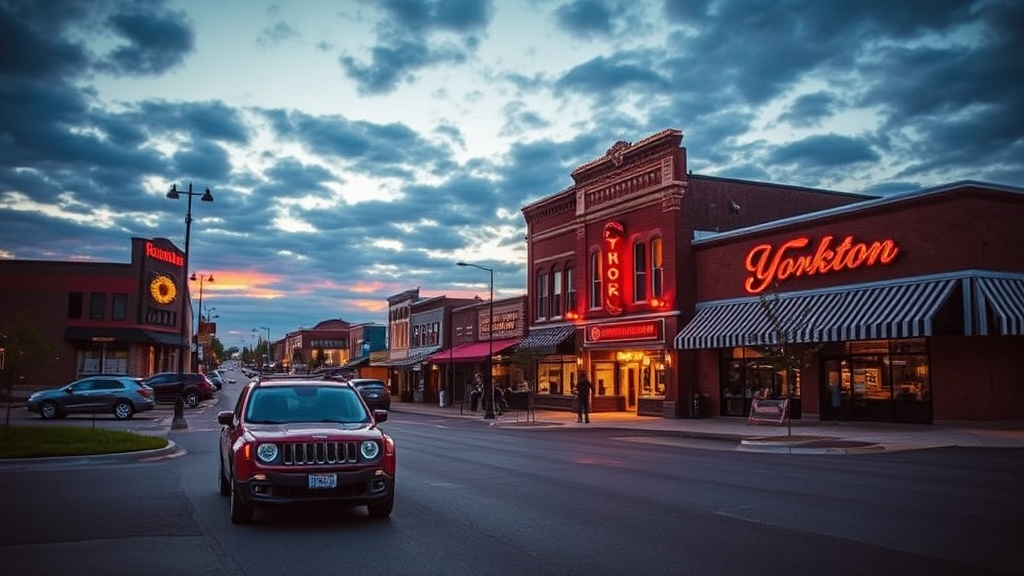
The city isn't trying to be Calgary or Saskatoon. That's the point. You'll find reasonable prices, minimal traffic, and people who still hold doors open for strangers. The downtown core packs independent shops and family-run restaurants into a walkable few blocks. Beyond that, the landscape opens up into farmland, lakes, and the kind of sunsets that'll have you pulling over to take photos.
Here's the thing — Yorkton works best for travellers who want authentic Prairie experiences without the inflated price tags of bigger destinations. It's a place where you can still get a steak dinner for under twenty-five dollars and find parking right outside the venue.
Where should you eat in Yorkton?
The dining scene in Yorkton rewards those willing to look past chain restaurants. For breakfast, Gladys' Restaurant on Broadway Street has been serving reliable eggs-and-hash-browns fare since 1979. The coffee isn't fancy — it's just good. The kind of place where farmers and office workers share counter space without pretension.
Lunch calls for a stop at Safari Snack Shack, a local fixture known for burgers that require two hands and several napkins. The patties are fresh, the toppings are generous, and the atmosphere is pure small-town Saskatchewan. (Don't skip the milkshakes — they're made with real ice cream, not soft-serve mix.)
For dinner, Churchill's on Second Avenue offers the closest thing Yorkton has to fine dining without crossing into stuffy territory. The menu leans heavily on prairie ingredients — bison, locally sourced vegetables, Saskatchewan grains. The wine list won't overwhelm you, but it's solid. The catch? Reservations are smart on Friday and Saturday nights.
That said, some of the best food experiences happen outside restaurants. The Yorkton Farmers' Market runs Thursday afternoons at the City Centre. Vendors sell everything from homemade perogies to artisanal honey to fresh-cut flowers. It's less about organic credentials and more about knowing exactly who grew your tomatoes.
What outdoor activities can you do around Yorkton?
Yorkton sits in the Parkland region — a transitional zone between prairie flatlands and northern boreal forest. This geography creates opportunities you won't find further south. Within a half-hour drive, you've got lakes, trails, and wildlife viewing that rivals more famous (and crowded) destinations.
Good Spirit Lake Provincial Park tops the list. About 40 minutes north of the city, the park features crystal-clear water, sandy beaches, and hiking trails through aspen forest. The main beach gets busy on summer weekends. (Worth noting: the north shore stays quieter if you're after solitude.) The lake's famous "Dancing Sands" beach — where sand appears to bubble and shift underfoot — draws curious visitors from across the province.
Closer to town, Logan Green offers 18 holes of golf without the pretension of private clubs. Greens fees stay reasonable, the course condition is consistently solid, and you won't wait 20 minutes between holes. For casual walkers, the Rotary Trail circles much of the city — paved paths connecting parks, residential areas, and the downtown core. It's about 10 kilometres total, perfect for an evening stroll or morning run.
Hunting and fishing remain serious pursuits here. Lake of the Prairies (technically Shellmouth Reservoir) sits an hour northwest and produces walleye, northern pike, and perch that keep local anglers returning. Ice fishing season transforms the lake into a village of temporary shelters from January through March. The Saskatchewan Ministry of Environment maintains current regulations and licensing requirements.
Birdwatchers find plenty to occupy them too. The Parklands attract waterfowl, raptors, and migratory species throughout spring and fall. The Yorkton Community Nature Centre organizes walks and maintains checklists of local sightings.
What's the arts and culture scene like in Yorkton?
Bigger than you'd expect for a city of 16,000 people. The Yorkton Film Festival — held annually each spring — is the longest-running film festival in Canada. It focuses on short films, documentaries, and works by Prairie filmmakers. Industry professionals attend, but it's accessible to casual viewers too. Screenings happen at the Gallagher Centre, and passes won't drain your wallet.
The Godfrey Dean Art Gallery downtown showcases regional and national artists in a converted historic building. Admission is free, and the rotating exhibitions change every six to eight weeks. It's the kind of space where you might encounter experimental video art one month and traditional landscape painting the next.
Live music happens regularly at Deer Park Municipal Golf Course (summer concerts on the patio) and various downtown venues. The Yorkton Arts Council brings in touring acts — everything from classical musicians to stand-up comedians — throughout the year. Check their schedule if you're planning a visit.
The Western Development Museum branch in Yorkton focuses on the immigrant experience and agricultural heritage. It's not massive, but the collection of vintage farm equipment and reconstructed pioneer buildings offers genuine insight into how this region developed. Kids seem to love the old tractors. Adults appreciate the context.
Where should you stay when visiting Yorkton?
Accommodation options range from national chains to independent motels that have barely changed since the 1970s. Your choice depends on budget, tolerance for character, and how much time you'll actually spend in the room.
| Property | Type | Price Range | Best For |
|---|---|---|---|
| Best Western Yorkton | Chain hotel | $120-$160/night | Business travellers, families wanting pool access |
| Days Inn & Suites | Chain hotel | $110-$140/night | Reliable mid-range option, free breakfast |
| Parkland Motor Inn | Independent motel | $80-$110/night | Budget travellers, authentic road-trip experience |
| The Maggie Bed & Breakfast | B&B | $100-$130/night | Couples, those wanting local recommendations |
Most properties cluster along Highway 16 (the Yellowhead), which runs through the city's south end. This location puts you minutes from shopping and restaurants, though you'll need a vehicle to reach downtown proper. The Tourism Yorkton website maintains current availability and occasional package deals.
If you're road-tripping across the Prairies, consider timing your Yorkton stop for a Thursday or Friday. Weekend rates sometimes drop, and you'll catch the farmers' market if you arrive Thursday afternoon.
When is the best time to visit Yorkton?
Summer dominates for obvious reasons. June through August delivers warm days, late sunsets, and full access to lakes and outdoor activities. Temperatures typically range from 20°C to 30°C — hot enough for swimming, rarely oppressive. The Yorkton Exhibition runs in late July, bringing midway rides, agricultural displays, and the kind of community celebration that defines Prairie summers.
Fall brings harvest season and surprisingly pleasant weather through September. The surrounding countryside turns golden as crops mature. It's photographer weather — that soft, angled light across infinite fields. The Film Festival happens in spring (usually late May), which can be an ideal time to visit if you want culture without summer crowds.
Winter is not for the faint of heart. Temperatures regularly drop below -20°C, and snow stays on the ground from November through March. That said, if you embrace cold-weather activities — ice fishing, snowmobiling, cross-country skiing — you'll find uncrowded trails and genuine Prairie winter experiences. The Travel Saskatchewan website provides seasonal activity guides and weather updates.
Worth noting: spring arrives late here. Don't expect green grass and flowers before mid-May. The upside? Black fly season is shorter than in forested regions further north.
How do you get to Yorkton?
Driving remains the most practical option. Yorkton sits at the intersection of Highway 16 (Yellowhead) and Highway 10 — about four and a half hours east of Saskatoon, three hours east of Regina, and four hours west of Winnipeg. The roads are good, traffic is light, and the prairie driving is straightforward (if occasionally monotonous).
The Yorkton Municipal Airport (YQV) offers limited scheduled service — primarily connections through Calgary via smaller regional carriers. Most visitors fly into Regina or Saskatoon and rent a car. Ride-sharing services operate in Yorkton, but having your own vehicle significantly expands what you can experience.
Here's the thing about Prairie distances — they're manageable but not trivial. That lake 40 minutes away? That's a reasonable afternoon trip, not a quick dash. Plan accordingly, keep your gas tank topped (stations get sparse outside town), and embrace the road-trip mindset.
"Yorkton isn't trying to impress anyone. It just offers solid Prairie hospitality, reasonable prices, and enough going on to keep you busy for a weekend — or longer if you slow down and settle into the rhythm."
The city rewards curiosity. Talk to the person beside you at the coffee shop. Ask the hotel clerk where they'd eat dinner. Wander down a side street instead of sticking to the main highway. That's where Yorkton reveals itself — not in guidebook highlights, but in the accumulated small moments that define genuine Prairie community.